
Manual Fire Alarm Systems: A Comprehensive Guide (Updated 04/15/2026)
Fire alarm systems are crucial for life safety, demanding strict adherence to regulations across manufacturing, installation, and individual responsibilities within the industry.
Manual fire alarm systems represent a foundational element of comprehensive fire protection strategies, offering a direct means for occupants to initiate an emergency response. Unlike automatic detection systems that rely on sensors, manual systems depend on human activation via pull stations strategically placed throughout a building.
These systems are particularly vital in areas where automatic detection might be less effective or absent, providing a crucial layer of safety. Understanding the regulations governing these systems is paramount, as the fire alarm industry operates under a complex framework of rules impacting manufacturers, installation procedures, and individual responsibilities. Proper implementation ensures reliable operation and swift notification during a fire emergency, safeguarding lives and property.
What is a Manual Fire Alarm?
A manual fire alarm is a system requiring a person to physically activate a device – typically a pull station – to signal a fire emergency. This contrasts with automatic systems that utilize smoke or heat detectors. These systems are essential life safety components, subject to stringent rules governing their design, installation, and maintenance.
The industry operates under six categories of regulations, impacting manufacturers, installation practices, individual qualifications, and ongoing servicing. Activation initiates an alarm signal, alerting occupants and potentially notifying emergency services. Manual pull stations serve as a critical backup, ensuring a response even if automatic systems fail or a fire originates in an undetected area. Understanding these systems is vital for building owners and safety personnel.
The Importance of Manual Pull Stations
Manual pull stations are indispensable components of a comprehensive fire safety strategy, acting as a crucial backup to automatic detection systems. The fire alarm industry is heavily regulated, with rules spanning manufacturing to individual installer qualifications. Pull stations empower building occupants to immediately signal a fire, regardless of automatic system functionality or fire location.
Their reliability is paramount, demanding strict adherence to installation and maintenance standards. They provide a direct means of activation, especially vital in areas where automatic detection might be compromised. Recognizing the importance of these stations, and understanding the governing regulations, is essential for ensuring effective life safety measures within any facility.
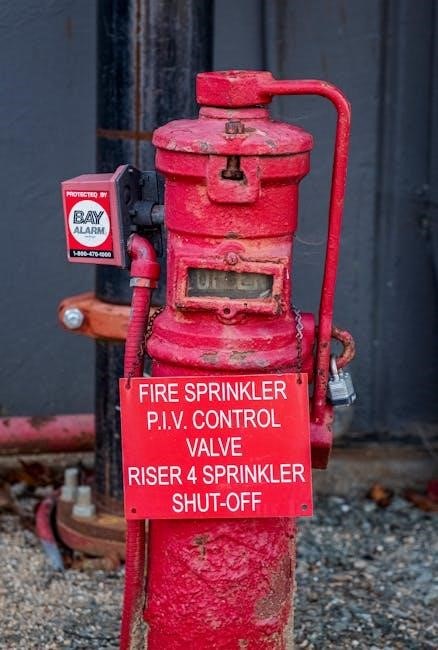
Types of Manual Fire Alarm Pull Stations
Various pull station designs exist, including single-action, double-action, key cabinet, and wheel-handle models, each offering unique activation methods and security features.
Single-Action Pull Stations
Single-action pull stations represent the most straightforward type, initiating an alarm with a single, decisive motion – typically a downward pull. These stations are characterized by their immediate activation, making them readily usable in emergency situations.
The design prioritizes speed and simplicity, ensuring anyone can quickly trigger the alarm, regardless of familiarity with fire safety equipment. However, this ease of activation also presents a potential for accidental or malicious pulls.
Consequently, single-action stations are often strategically placed in locations less prone to unintentional activation, such as near exits or in areas requiring immediate notification. Their robust construction and clear visual indicators contribute to their reliability and effectiveness as a primary fire alarm initiation method.
Double-Action Pull Stations
Double-action pull stations mitigate the risk of accidental alarms by requiring two distinct motions to activate. Typically, this involves lifting a protective cover or breaking a glass panel before pulling the activation lever. This two-step process significantly reduces false alarms caused by accidental bumps or unintended contact.
While slightly slower to activate than single-action stations, the added security they provide makes them ideal for high-traffic areas or public spaces where accidental activations are more likely.
The design incorporates a visual indication of tampering, further enhancing security. Double-action stations are a reliable choice when minimizing false alarms is paramount, offering a balance between accessibility and prevention of misuse.
Key Cabinet Pull Stations
Key cabinet pull stations represent a specialized type of manual fire alarm activation, designed to address unique security needs. These stations house a key required to access and operate the pull station itself, preventing unauthorized activation and potential misuse.
Typically found in environments where deliberate false alarms pose a significant concern – such as correctional facilities or sensitive industrial sites – they add a layer of control.
The key control ensures only authorized personnel can initiate an alarm, enhancing security protocols. While adding complexity, key cabinet stations offer a robust solution for minimizing intentional disruptions and maintaining a secure environment.
Wheel-Handle Pull Stations
Wheel-handle pull stations, often recognized for their distinctive design, require a rotating motion of the handle to initiate an alarm. This action mechanically breaks a glass rod or activates a switch, signaling the fire alarm control panel.
Historically prevalent, these stations offer a clear visual indication of activation, as the wheel’s position changes upon use. They are known for their durability and resistance to accidental activation, reducing false alarms.
While less common in newer installations, wheel-handle stations remain compliant with current standards and are still found in many existing buildings, providing a reliable manual activation method.
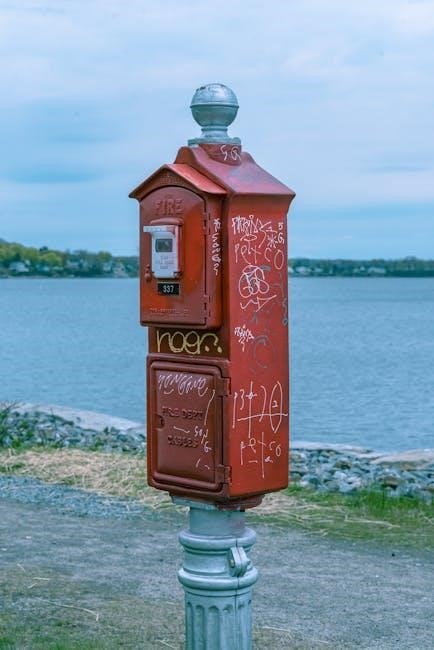
Components of a Manual Fire Alarm System
A manual system includes pull stations, housings, breaking mechanisms, signal transmission elements, and audible/visual notification devices, all working together for fire safety.
Pull Station Housing & Construction
The housing of a manual pull station is a critical element, designed for durability and clear visibility. Typically constructed from robust materials like metal or high-impact plastic, it must withstand potential vandalism and harsh environmental conditions.
The housing’s design prioritizes ease of access, even for individuals with limited dexterity. A protective cover shields the operating mechanism from accidental activation, while still allowing for quick and deliberate engagement during an emergency;
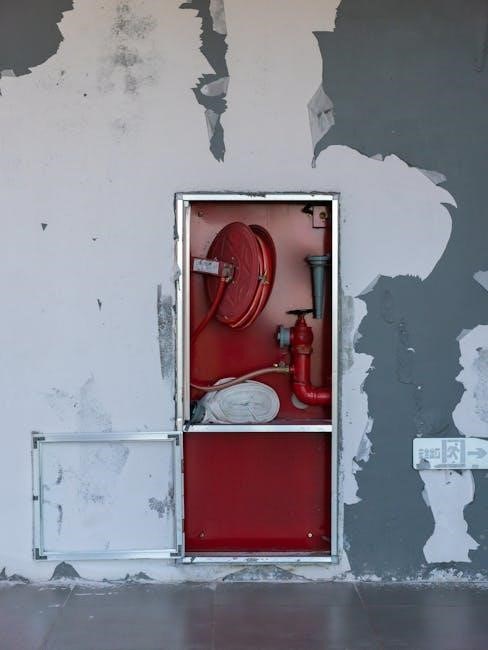
Color-coding, often utilizing bright red, enhances visibility, and clear labeling – such as “Pull Station” or similar – ensures immediate recognition. The overall construction aims to provide a reliable and long-lasting component within the broader fire alarm system.
Breaking Mechanism
The breaking mechanism within a manual pull station is the core component initiating the alarm signal. Upon activation – pulling the handle – this mechanism physically breaks a normally closed circuit, signaling the fire alarm control panel.
Historically, a shearable pin was common, requiring a specific force to break and trigger the alarm. Modern designs often employ more reliable methods, like a cam or lever system, ensuring consistent operation.
A key feature is the mechanism’s ability to remain in the activated state after triggering, preventing accidental resetting and clearly indicating the station has been used. Robust construction and reliable operation are paramount for effective emergency response.
Alarm Signal Transmission
Once the breaking mechanism activates, the manual pull station initiates alarm signal transmission to the fire alarm control panel (FACP). This typically occurs via a hardwired circuit, maintaining a constant supervisory signal.
Breaking the circuit creates an open circuit condition, immediately recognized by the FACP as an alarm. The FACP then activates pre-programmed responses, including audible and visual notifications throughout the building.
Modern systems increasingly utilize addressable technology, allowing the FACP to pinpoint the exact location of the activated pull station, improving response times. Reliable signal transmission is vital for a swift and effective emergency response.
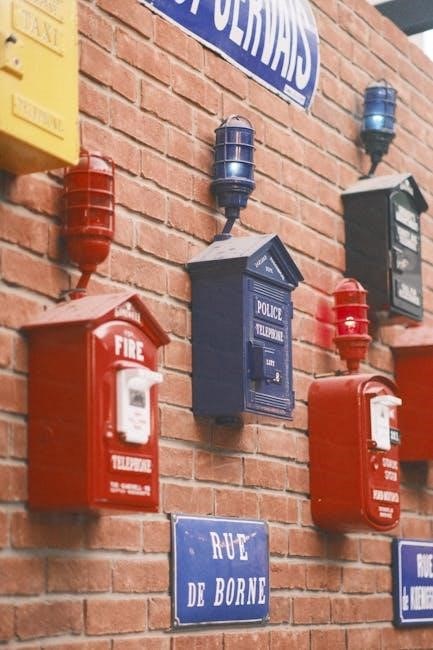
Audible and Visual Notification Appliances
Upon receiving an alarm signal from a manual pull station, the fire alarm control panel (FACP) activates audible and visual notification appliances. These devices are critical for alerting building occupants to evacuate. Audible appliances, like horns, bells, and chimes, produce loud warning sounds.
Visual appliances, including strobe lights, provide crucial notification for individuals with hearing impairments. Synchronization of these appliances is essential to avoid confusion and ensure clear evacuation instructions.
Modern systems often incorporate voice evacuation capabilities, delivering pre-recorded messages guiding occupants to safety. Proper placement and maintenance of these appliances are paramount for effective emergency communication.

Regulations and Standards Governing Manual Fire Alarms
Compliance with NFPA 72, local building codes, and ADA standards is essential for manual fire alarm systems, ensuring safety and accessibility for all.
NFPA 72: National Fire Alarm and Signaling Code
NFPA 72 is the cornerstone of fire alarm system regulation in the United States, providing comprehensive guidelines for the design, installation, performance, inspection, testing, and maintenance of these critical life safety systems.
Specifically regarding manual fire alarm systems, NFPA 72 dictates requirements for pull station placement, ensuring they are readily accessible and visible. It details the necessary supervision of initiating devices, like pull stations, to confirm their operational status. The code also specifies signal transmission protocols and the required response times for audible and visual notification appliances.
Furthermore, NFPA 72 outlines the qualifications for personnel performing inspection, testing, and maintenance, emphasizing the need for competent individuals to ensure system reliability. Adherence to this code is paramount for ensuring a functional and compliant manual fire alarm system.
Local Building Codes and Requirements
While NFPA 72 provides a national standard, local building codes often supplement or even supersede these regulations regarding manual fire alarm systems. Jurisdictions frequently adopt NFPA 72 but may amend it to address specific regional concerns or building types.
These local amendments can impact pull station spacing, mounting heights, and the types of pull stations permitted within a building. Some municipalities may have stricter requirements for accessibility, aligning with ADA standards, or mandate specific testing frequencies.
It’s crucial to consult with the local Authority Having Jurisdiction (AHJ) – typically the fire marshal or building inspector – to understand the precise requirements for manual fire alarm systems in a given location. Compliance with both NFPA 72 and local codes is essential.
ADA Compliance (Accessibility)
The Americans with Disabilities Act (ADA) mandates that manual fire alarm pull stations are accessible to individuals with disabilities. This primarily focuses on ensuring operability for those with limited reach or strength. ADA guidelines specify maximum mounting heights, typically no higher than 48 inches from the floor, and require clear floor space for approach.
Pull station operating forces must also be ADA compliant, generally requiring a maximum of 5 pounds of force to activate. Signage indicating the pull station’s function should be tactile, featuring raised characters and Braille.
Proper ADA compliance ensures everyone can initiate a fire alarm, regardless of physical limitations, contributing to overall building safety and legal adherence.
Inspection, Testing, and Maintenance (ITM) Requirements
Regular Inspection, Testing, and Maintenance (ITM) of manual fire alarm systems are legally mandated and vital for reliable operation. NFPA 72 dictates specific ITM schedules. Annual inspections verify proper operation, while semi-annual testing confirms alarm signal transmission to the fire alarm control panel and monitoring station.
Maintenance includes cleaning, tightening connections, and replacing worn components. Detailed records of all ITM activities must be maintained for review by authorities having jurisdiction. Qualified technicians should perform these tasks, adhering to manufacturer guidelines and industry best practices.
Consistent ITM ensures the system’s readiness during emergencies, protecting lives and property.
Installation Best Practices for Manual Pull Stations
Proper installation demands careful attention to placement, wiring, addressing, and accessibility, ensuring clear visibility and adherence to all applicable building codes and standards.
Proper Placement and Mounting Height

Strategic placement of manual pull stations is paramount for effective fire alarm system operation. Stations must be readily accessible along normal paths of egress, including exits and corridors. Mounting height is critical; the National Fire Protection Association (NFPA) generally recommends stations be mounted no more than 48 inches (1220 mm) and no less than 42 inches (1067 mm) above the floor.
This height range ensures usability for a wide range of individuals, including those with disabilities. Avoid obstructions that could hinder access, such as furniture or signage. Consider visibility – stations should be easily seen, even in low-light conditions. Placement near doorways is common, but avoid locations prone to accidental activation. Consistent spacing, as dictated by code, is also essential for comprehensive coverage throughout the facility.
Wiring and Circuit Supervision
Robust wiring and diligent circuit supervision are fundamental to a reliable manual fire alarm system. All pull stations must be wired to the fire alarm control panel (FACP) using appropriately sized and listed fire-rated cable. Circuit integrity is maintained through constant supervision; the FACP continuously monitors the wiring for opens, shorts, and grounds.
Any disruption triggers an immediate trouble signal, alerting personnel to a potential system failure. Wiring methods must adhere to local electrical codes and NFPA 72 guidelines. Proper grounding is essential for safety and reliable operation. Supervision ensures that even a cut or damaged wire will be detected, preventing a compromised system from failing during an actual emergency.
Addressing and Identification
Clear addressing and identification of each manual pull station are vital for efficient response and maintenance. Each pull station should be uniquely identified with a specific address, allowing the FACP to pinpoint the exact location of an activation. This information is crucial for firefighters and emergency personnel arriving on the scene.
Addresses are typically assigned sequentially, following a pre-defined building layout. Labels should be durable, legible, and securely affixed to the pull station housing. Detailed records documenting the address assignments must be maintained and readily accessible. Proper identification streamlines testing, inspection, and troubleshooting, ensuring the system operates optimally and facilitates swift emergency response.
Clear Visibility and Accessibility
Manual pull stations must be conspicuously visible and readily accessible, even in emergency conditions. Obstructions like furniture, decorations, or storage should never block access. Mounting height is critical; stations should be within reach of individuals, adhering to ADA guidelines for accessibility.
Proper illumination is essential, ensuring visibility in low-light situations. Signage indicating the pull station’s function should be clear and concise. Consider the flow of pedestrian traffic when determining placement, prioritizing high-traffic areas and exit routes. Regular inspections should verify continued visibility and accessibility, removing any newly introduced obstructions promptly.
Maintenance and Troubleshooting of Manual Fire Alarm Systems
Consistent inspections, addressing common faults, maintaining batteries, and engaging professional servicing are vital for ensuring the reliable operation of these life-saving systems.
Regular Inspection Checklist
A thorough inspection of manual fire alarm systems is paramount for ensuring their operational readiness. Begin by visually examining each pull station for physical damage, obstructions, or missing components like glass rods or labels. Verify that the pull station housing is securely mounted and hasn’t been tampered with. Actuate each pull station to confirm it initiates an alarm signal at the fire alarm control panel – documenting each test.
Check for clear and legible instructions on each station. Inspect wiring connections for corrosion or looseness. Ensure proper circuit supervision is maintained, and the system accurately reports pull station activations. Record all inspection findings, including dates, times, and any corrective actions taken, in a dedicated logbook. Regular, documented inspections are essential for compliance and life safety.
Common Faults and Troubleshooting Steps
Several issues can plague manual fire alarm systems. A frequent fault is a tripped pull station left activated, requiring manual reset at the panel. Wiring issues, like open or short circuits, can prevent signal transmission, demanding wire tracing and connection verification. Corrosion on terminals hinders conductivity, necessitating cleaning or replacement.
False alarms due to accidental activation require investigation and user education. If a pull station fails to activate the alarm, check the initiating device circuit and the station’s internal components. Always consult system documentation and qualified technicians for complex repairs. Regular maintenance minimizes these faults, ensuring reliable operation and swift response in emergencies.
Battery Maintenance
Fire alarm systems rely heavily on backup batteries during power outages. Regular battery maintenance is paramount for system reliability. Typically, lead-acid batteries require annual testing to assess their voltage and capacity, ensuring they can sustain the system for the mandated duration.
Visual inspections should check for corrosion, leaks, and secure connections. Replace batteries exhibiting signs of degradation or failing load tests. Proper disposal of old batteries is crucial, adhering to environmental regulations. Document all maintenance activities meticulously. Consistent battery upkeep guarantees uninterrupted fire protection, even amidst power disruptions, safeguarding lives and property.
Professional Servicing and Repairs
While routine maintenance can address minor issues, complex repairs and comprehensive servicing necessitate qualified professionals. Certified technicians possess the expertise to diagnose intricate faults within manual fire alarm systems, ensuring accurate and effective solutions.
Regular professional inspections, beyond basic ITM, can identify potential vulnerabilities before they escalate. Repairs should strictly adhere to NFPA 72 guidelines and local codes. Attempting DIY repairs can compromise system integrity and void warranties. Prioritize certified technicians for optimal system performance and unwavering fire protection. Document all professional servicing for compliance and future reference.
Advanced Features and Technologies
Modern systems integrate addressable and wireless pull stations, enhancing monitoring and control via fire alarm control panels with remote capabilities.
Addressable Manual Pull Stations
Addressable manual pull stations represent a significant advancement in fire alarm technology. Unlike conventional systems, each pull station possesses a unique address on the fire alarm control panel (FACP). This allows for precise identification of the activated station’s location, drastically reducing response times for emergency personnel.
Upon activation, the FACP doesn’t just register an alarm; it displays the specific pull station number, pinpointing the fire’s origin. This detailed information is invaluable for firefighters, enabling them to navigate the building efficiently and address the emergency effectively. Furthermore, addressable systems often offer enhanced diagnostic capabilities, simplifying maintenance and troubleshooting. They contribute to a more sophisticated and reliable fire safety infrastructure.
Wireless Manual Pull Stations
Wireless manual pull stations offer a compelling solution for buildings where running traditional wiring is challenging or cost-prohibitive. Utilizing radio frequency (RF) communication, these stations transmit alarm signals to the fire alarm control panel (FACP) without physical connections. This flexibility makes them ideal for historic buildings, structures undergoing renovation, or locations with complex layouts.
Installation is significantly faster and less disruptive compared to wired systems. However, reliable operation hinges on robust RF signal strength and battery life. Regular battery checks and signal testing are crucial for ensuring consistent performance. Wireless systems must also adhere to stringent regulatory standards to prevent interference and guarantee dependable alarm transmission, contributing to overall fire safety.
Integration with Fire Alarm Control Panels
Seamless integration between manual pull stations and the fire alarm control panel (FACP) is paramount for a functional fire safety system. Upon activation, a pull station initiates a signal transmitted to the FACP, which then processes the information and triggers appropriate responses – activating audible and visual alarms, notifying emergency services, and potentially initiating building-wide safety protocols.
Modern FACPs support various communication protocols, ensuring compatibility with diverse pull station technologies, including wired and wireless options. Proper zoning and addressing of pull stations within the FACP allow for precise identification of the alarm location, facilitating swift and targeted emergency response. Regular testing of this integration is vital to confirm reliable communication and system functionality.
Remote Monitoring Capabilities
Advanced fire alarm systems now offer remote monitoring capabilities, significantly enhancing response times and system oversight. Utilizing network connectivity, FACPs can transmit alarm signals and system status updates to off-site monitoring centers staffed by trained professionals. This allows for 24/7 surveillance, even when the premises are unoccupied.
Remote monitoring services can automatically notify emergency responders upon alarm activation, bypassing potential delays. Furthermore, detailed event logs and system diagnostics are accessible remotely, enabling proactive maintenance and troubleshooting. This capability is particularly valuable for multi-site businesses or facilities with limited on-site personnel, ensuring comprehensive fire protection.
No Responses