
Devotees worldwide seek the Shiv Chalisa PDF in English for free download. The file offers complete transliteration, verse‑by‑verse meaning, chanting tips and daily recitation benefits, all derived from the Shiva Purana tradition and modern online archives for inner peace!

What is Shiv Chalisa?
Shiv Chalisa, a devotional hymn dedicated to Lord Shiva, comprises forty‑four verses praising divine attributes, cosmic power, and benevolence. Composed in Hindi and Sanskrit, it has been rendered into English to reach a global audience of seekers. The English PDF provides a faithful transliteration and a clear line‑by‑line translation preserving poetic rhythm and theological depth. Each stanza highlights Shiva’s cosmic role—from destroyer of ignorance to compassionate guide—while inviting listeners to contemplate infinite compassion and transcendental presence. The Chalisa is often recited during auspicious occasions such as Shivaratri, the month of Sawan, and personal meditation practices. Its rhythmic cadence and melodic structure facilitate memorization, making it a powerful tool for spiritual discipline. By engaging with the English PDF, readers can access the text in a format supporting quick reference and in‑depth study, fostering a deeper connection with the divine energy embodied by Lord Shiva.
The PDF format ensures compatibility across devices, allowing devotees to read and recite the Chalisa wherever they are.
The Chalisa follows a strict metrical pattern, typically composed in the doha (couplet) form, which lends itself to rhythmic chanting. Each couplet contains a concise yet profound statement about Shiva’s cosmic functions, his benevolence, and his role as the ultimate refuge for seekers. The poetic structure not only facilitates memorization but also creates a meditative flow that helps devotees internalize the divine qualities being praised. The hymn’s cadence is designed to align with the breath, making it an effective tool for mindfulness and spiritual focus during meditation.

Its rhythmic flow calms mind, making Chalisa a cherished practice for both seasoned as devotees.
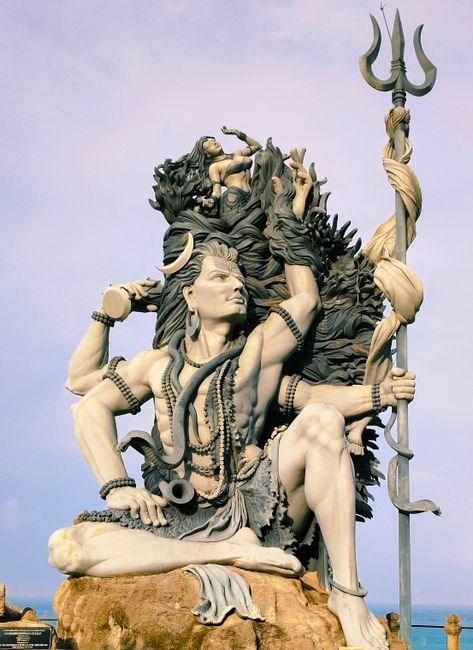
Historical origins and authorship

Shiv Chalisa’s lineage traces back to ancient Vedic hymns and the revered Shiva Purana, where the deity’s attributes are extolled. Scholars attribute the composition to the 16th‑century mystic and poet, the legendary saint‑bard, whose name is often cited as “Bhaktacharya.” According to oral tradition, the Chalisa was first recited in the Himalayan foothills, where devotees gathered during the month of Sawan to seek blessings. The hymn’s structure—forty‑four verses—mirrors the ancient doha format, a style that has been used for centuries to encapsulate profound spiritual truths in concise couplets. Over time, the text was transcribed into Hindi and Sanskrit, and later translated into English to reach a global audience. The English PDF version preserves the original meter while providing a faithful transliteration and verse‑by‑verse commentary, enabling readers to appreciate the hymn’s poetic and theological nuances. The Chalisa’s authorship remains a subject of scholarly debate; some historians argue that the verses were compiled from earlier oral traditions, while others maintain that a single author, the mystic saint, synthesized the content into the cohesive hymn we know today. Regardless of its precise origins, the Chalisa has become a cornerstone of devotional practice, celebrated for its ability to invoke Shiva’s compassion and protection among devotees worldwide. Its enduring appeal lies in the rhythmic cadence that aligns with breath, fostering mindfulness and a sense deep of unity with the cosmic energy that Shiva embodies, inviting seekers to experience peace and liberation.
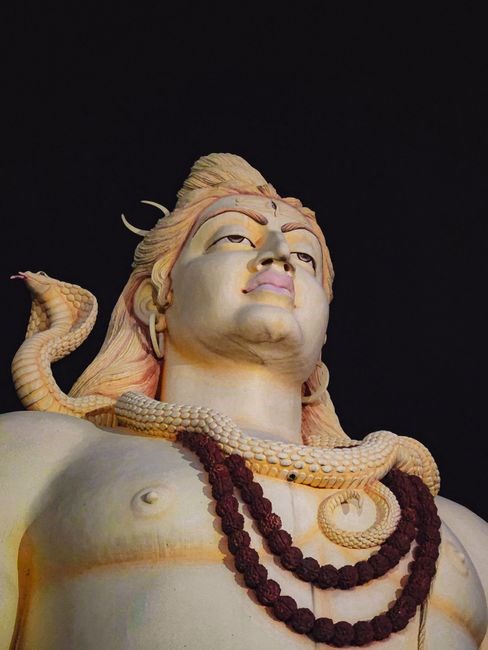
Relation to Shiva Purana
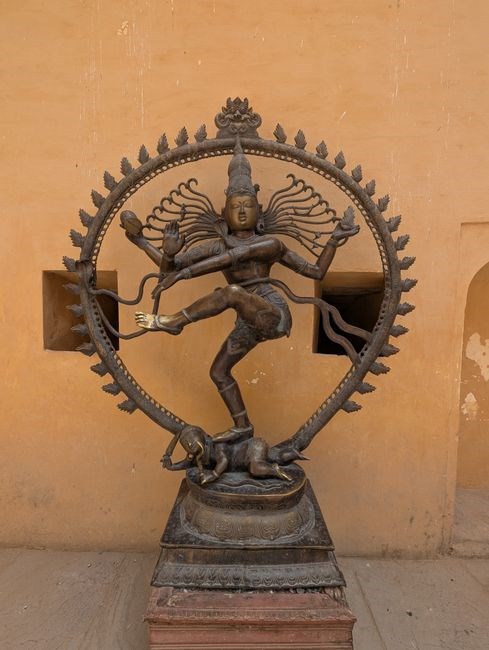
Shiv Chalisa, though a concise forty‑four verse hymn, draws heavily from the vast corpus of the Shiva Purana, a foundational scripture that chronicles the deeds, attributes, and cosmic functions of Lord Shiva. The Purana’s narratives—ranging from the creation of the universe to the intimate details of Shiva’s personal life—provide a theological backdrop that the Chalisa echoes in its verses. For instance, the Chalisa’s opening lines invoke the tri‑vel (trident) and the damaru drum, motifs that are explicitly described in the Shiva Purana’s accounts of Shiva’s battle with the demon Andhaka and his dance of destruction. The hymn’s reference to the “Nataraja” form aligns with the Purana’s depiction of Shiva as the cosmic dancer, whose rhythmic movements sustain the cycle of birth, death, and rebirth. Moreover, the Chalisa’s emphasis on the compassionate nature of Shiva—his willingness to grant boons and absolve sins—mirrors the Purana’s portrayal of him as a benevolent deity who listens to the prayers of devotees, especially during the auspicious month of Sawan. Scholars note that the Chalisa’s structure, with its repetitive “Om Namah Shivaya” refrain, reflects the mantra tradition found in the Purana, where chanting is a means of attaining spiritual liberation. In essence, the Chalisa serves as a distilled, devotional rendition of key themes from the Shiva Purana, making the complex theological concepts accessible to lay practitioners while preserving the sanctity and depth of the original scripture. Thus, the Chalisa bridges the Purana’s cosmic tales into a rhythm devotion open all.

Accessing the English PDF
Access the Shiv Chalisa PDF in English via trusted sites like Archive.org or official devotional portals. Ensure the file is a PDF, typically 1.2 MB, and verify the translation by cross‑checking verses with reputable commentaries. Download safely, keeping the file size and format in mind for all ages, clear guidance.
Official and reputable download sites
Trusted sources for the Shiv Chalisa English PDF include the Internet Archive, official temple websites, dedicated devotional portals, and government cultural repositories. Verify HTTPS URLs and file size before downloading.
No Responses