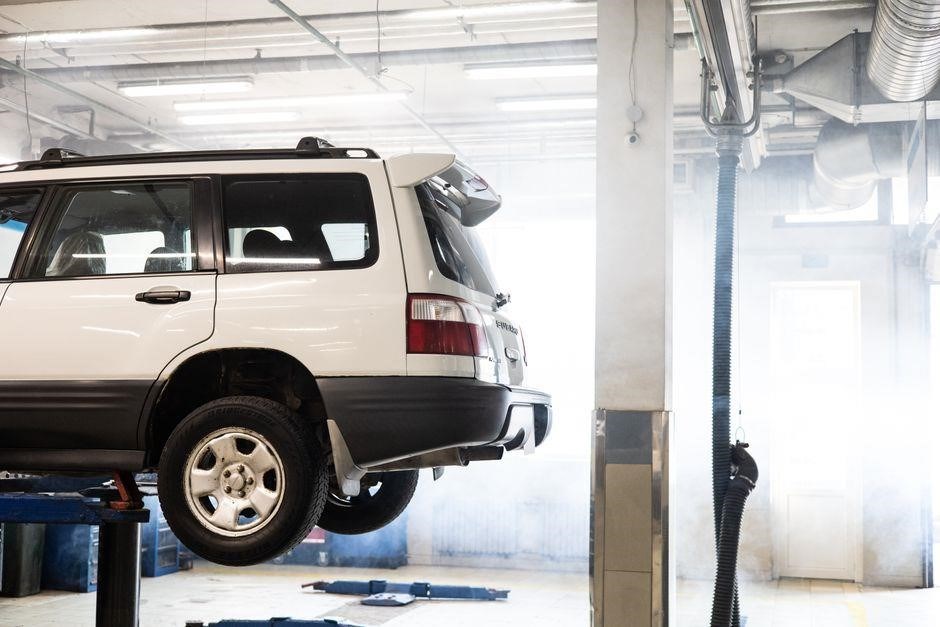
Virginia Vehicle Inspection Overview
Virginia requires an annual safety inspection. A PDF checklist covers exterior‚ tires‚ wheels‚ brakes‚ steering‚ suspension‚ engine. Bring driver’s license‚ registration‚ proof of insurance for inspection. Authorized inspectors perform tests at state sites.
Annual Safety Inspection Requirement
The Virginia Department of Motor Vehicles mandates that every motor vehicle registered in the Commonwealth undergoes a safety inspection once per year. The inspection is required for all passenger cars‚ light trucks‚ and commercial vehicles. The inspection window opens on the first day of the month following the vehicle’s registration anniversary and closes on the last day of that month. Owners must schedule the inspection at an authorized inspection station‚ which can be a DMV office‚ a certified private inspection shop‚ or a licensed mobile inspector. Failure to complete the inspection within the allotted month results in a registration suspension and a $50 fine. The inspection verifies that the vehicle’s lighting‚ brakes‚ tires‚ steering‚ suspension‚ and emission control systems meet state safety standards. If any component fails‚ the vehicle must be repaired and re‑inspected before it can be legally driven on public roads. The inspection is conducted by a state‑licensed inspector who follows the official PDF checklist‚ ensuring consistency and compliance across all inspection sites. The process is designed to promote road safety‚ reduce accidents‚ and maintain vehicle reliability for all Virginians. All inspections are logged online now!
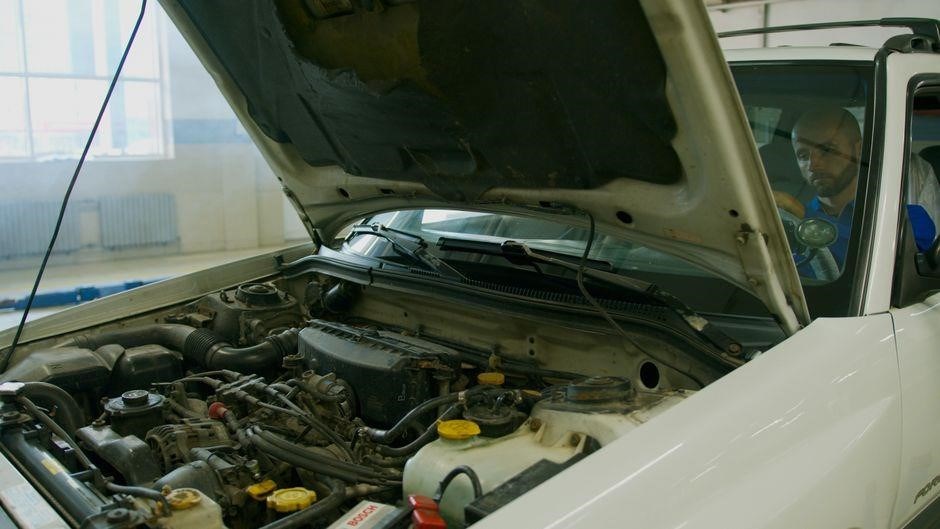
Owners receive a reminder notice via mail or email before the inspection window opens. The inspection fee is $25 for passenger vehicles and $35 for commercial vehicles‚ payable to the inspector. After inspection‚ the vehicle’s registration status is updated in the database.
Virginia’svehicle safety inspection program is authorized under Title 46 of the Code of Virginia‚ specifically §46.2-1.1‚ which mandates annual inspections for all motor vehicles registered in the Commonwealth. The statute requires that each vehicle be inspected for compliance with safety standards set forth in §46.2-1.2‚ covering lighting‚ brakes‚ tires‚ steering‚ suspension‚ andemission control systems. The law empowers the Department of Motor Vehicles(DMV) to designate and license inspection stations‚ and it establishes the penalties for non‑compliance‚ including a $50 fine and suspension of registration until the inspection is completed. Additionally‚ §46.2-1.3 authorizes the DMV to publish and update the official inspection checklist in PDF format‚ ensuring that all inspectors use a standardized set of criteria. The statute also provides for the use of mobile inspection units and allows private inspectors to perform inspections upon receiving a license from the DMV. The legal framework is designed to promote public safety by ensuring that all vehicles meet minimum safety requirements before operating on Virginia roads.
The statutory framework also addresses the use of electronicrecords‚ requiring that inspection results be entered into the DMVdatabase within 48hours of completion. This integration allows for monitoring of vehicle safety compliance across the state. Inspectors are trained to use the officialPDF checklist‚ which is updated annually bytheDMV to reflect changes in safety technology and requirements. Failure to comply with the inspection mandate can result in a civil penalty of up to $100‚ and repeated violations may lead to vehicle registration suspension or revocation. !
Inspection Locations and Authorized Inspectors
Virginia’s vehicle safety inspections are carried out at a statewide network of authorized stations. The Department of Motor Vehicles (DMV) designates specific sites—including county offices‚ regional inspection centers‚ and mobile units that travel to underserved areas—where licensed inspectors may perform the annual check. Private businesses such as Marlow Ford in Luray and other automotive service centers are DMV‑licensed to conduct inspections‚ provided they meet state training and equipment standards. Inspectors must hold a current DMV inspection license and complete annual recertification courses covering the latest safety regulations and the official PDF checklist. Vehicles can be inspected at any of these authorized sites‚ and the results are recorded electronically in the DMV database within 48 hours. If a vehicle fails the inspection‚ the owner has 30 days to correct the issue and return for a re‑inspection. Failure to comply can result in fines and suspension of registration. The DMV also publishes a list of approved inspection stations on its website‚ allowing owners to locate the nearest authorized facility and schedule an appointment online. All inspections use the standardized PDF checklist to ensure consistency and compliance with state safety standards.
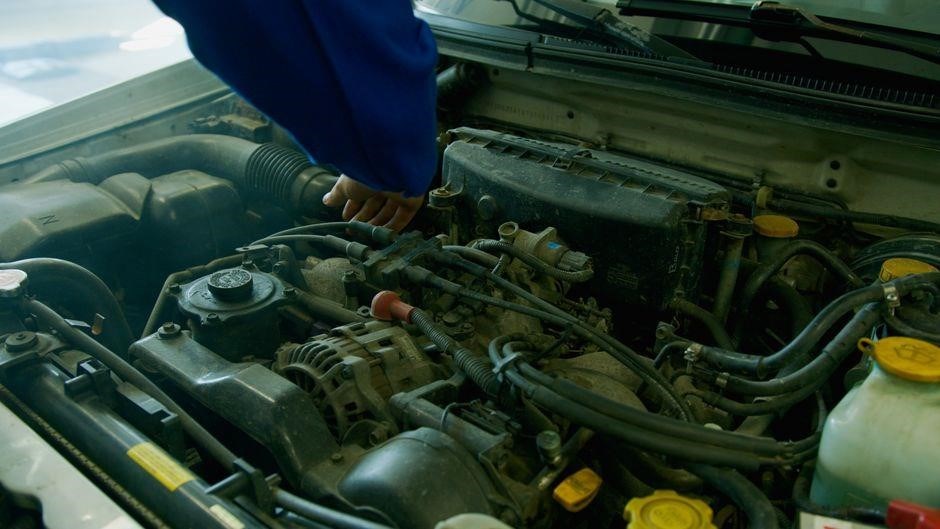
Accessing the Official PDF Checklist
Download the official Virginia vehicle inspection PDF from the DMV website. Use the direct link on the state’s motor‑vehicle page. The file lists all required items‚ ensuring compliance with safety regulations. The PDF is free and printable for future use!!
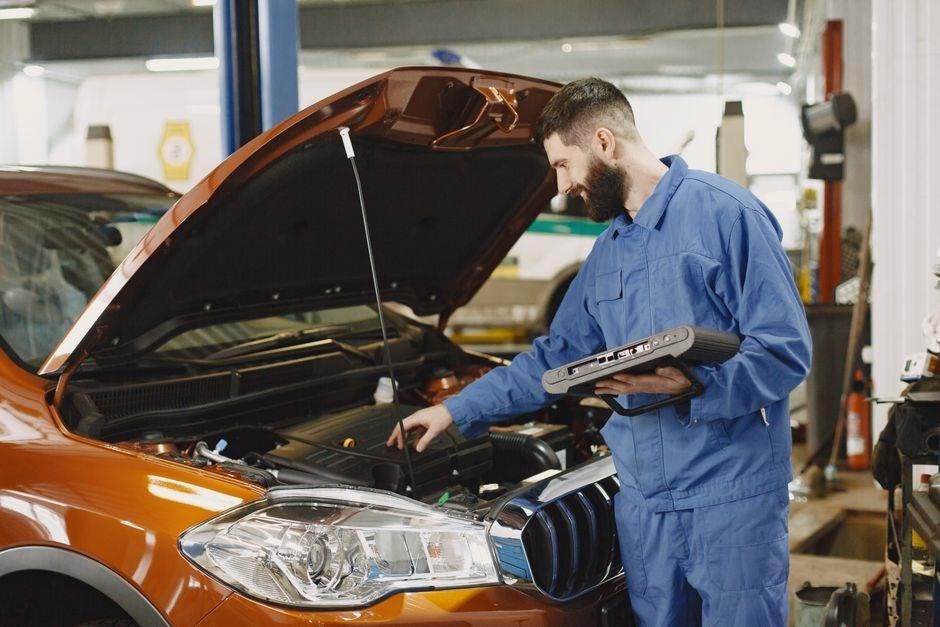
Virginia DMV Website Download Link
To download the official Virginia vehicle inspection checklist in PDF format‚ go to the Virginia Department of Motor Vehicles (DMV) website at https://www.dmv.virginia.gov. From the homepage‚ click on the “Vehicle Services” tab‚ then select “Vehicle Inspection” from the drop‑down menu. On the resulting page‚ locate the link titled “Inspection Checklist PDF.” Clicking this link will open the PDF in your browser or prompt you to save the file‚ depending on your browser settings. The PDF is free to download and can be printed or saved for future reference. If you have trouble accessing the file‚ use the DMV’s online help center or call the customer service hotline at 1‑800‑804‑7848 for assistance. The checklist is updated annually to reflect changes in safety standards and is available in both English and Spanish. The PDF includes a section for inspector signatures‚ dates‚ and comments‚ ensuring compliance with state regulations. The DMV also offers a mobile app that can scan the vehicle’s VIN and automatically populate the checklist‚ making the inspection process more efficient. For additional resources‚ visit the DMV’s “Vehicle Inspection” FAQ page‚ which provides step‑by‑step instructions and common troubleshooting tips. The official PDF checklist is the most reliable source for ensuring your vehicle meets Virginia’s safety requirements.
Third-Party Printable Templates and Apps
In addition to the official DMV PDF‚ many independent vendors offer printable vehicle inspection templates tailored for Virginia’s requirements. These templates are often available as downloadable PDFs or Word documents that mirror the state’s checklist format‚ including sections for exterior‚ tires‚ brakes‚ steering‚ suspension‚ engine‚ and documentation. Popular sites such as VehicleSafetyChecklist.com provide free‚ printable forms that can be customized with the vehicle’s VIN‚ owner name‚ and inspection date. Mobile applications like “Vehicle Inspection Pro” and “CheckMyCar” allow users to scan the VIN‚ auto‑populate fields‚ and record inspection results directly on a tablet or smartphone. These apps often include photo capture capabilities‚ enabling inspectors to attach images of any defects for later reference. Some platforms‚ such as “AutoCheck” and “InspectionMate‚” offer cloud syncing‚ so multiple inspectors can view and update the same checklist in real time‚ which is useful for fleet managers. When choosing a third‑party template or app‚ verify that it complies with the latest Virginia safety standards and that it includes a space for the inspector’s signature and the inspection date. Many of these tools also provide export options to PDF or CSV‚ facilitating easy submission to state authorities or integration with maintenance management systems. Always keep a backup copy of the completed checklist‚ whether in digital or paper form‚ to avoid any compliance issues during roadside inspections or during the annual renewal process. By leveraging these third‑party resources‚ vehicle owners and fleet operators can streamline the inspection workflow‚ reduce paperwork‚ and ensure that all safety checks are consistently documented. These tools help keep vehicles road‑ready year after year.

Core Inspection Components Covered in the Checklist
Key items: exterior‚ tires‚ wheels‚ lights‚ mirrors‚ windshield‚ wipers‚ brakes‚ steering‚ suspension‚ engine‚ transmission‚ fuel system‚ exhaust‚ safety belts‚ and documentation. Each section requires a signed inspector’s checkmark. All checked!
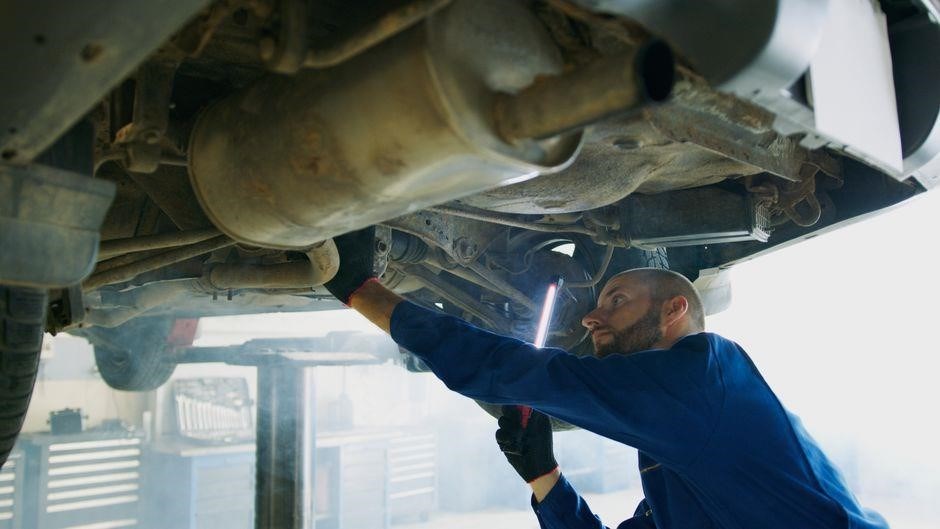
Exterior‚ Tires‚ and Lighting Systems
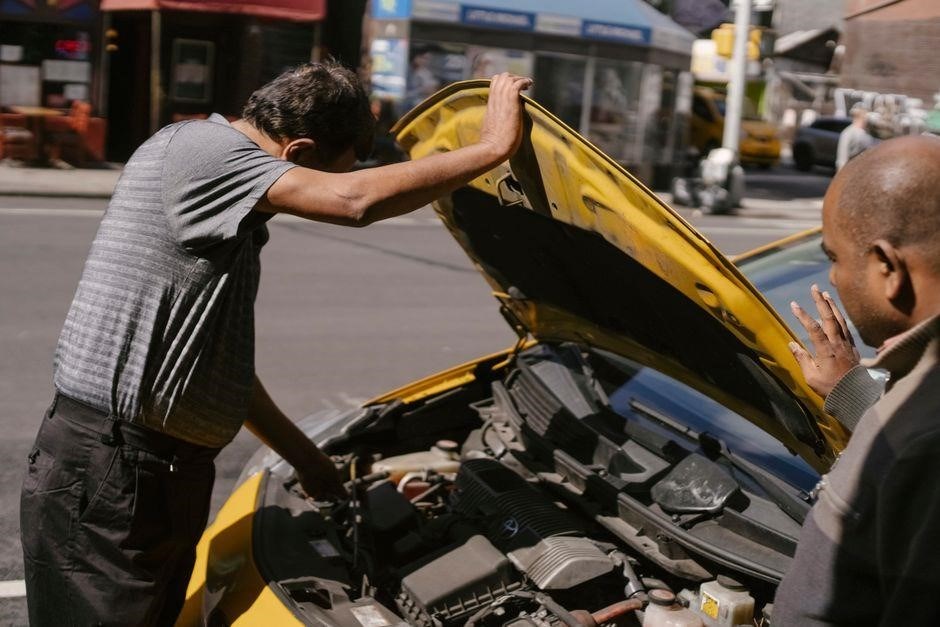
The Virginia vehicle inspection checklist PDF emphasizes the critical exterior‚ tire‚ and lighting systems. Inspectors examine the body for dents‚ rust‚ or paint defects thatcouldcompromise. The windshield‚ side and rear windows‚ and all glass surfaces are inspected for cracks or chips that might impair the driver’s view. Tire evaluation is a key component; inspectors verify that each tire has sufficient tread depth‚ with a minimum of 2/32 inches required by Virginia law. They also look for sidewall damage‚ bulges‚ or uneven wear that could indicate a loss of traction. Proper inflation is checked using a pressure gauge‚ and the inspector confirms that the pressure matches the manufacturer’s recommendation. Wheel alignment and balance are examined to ensure correct handling and even tire wear. Lighting systems are essential for safe operation‚ especially at night or in adverse weather. The checklist requires that all headlights‚ taillights‚ brake lights‚ turn signals‚ hazard lights‚ and reverse lights are functioning correctly. Inspectors test each bulb for proper illumination and verify that the headlight beam is correctly aligned to avoid dazzling other drivers. Reflectors and daytime running lights are also inspected for cleanliness and proper placement. Any malfunctioning light must be repaired or replaced before the vehicle can pass inspection. By thoroughly checking these exterior‚ tire‚ and lighting components‚ the Virginia vehicle inspection ensures that each vehicle on the road meets the state’s safety standards and is ready for safe travel.
Steering‚ Suspension‚ Brakes‚ and Engine
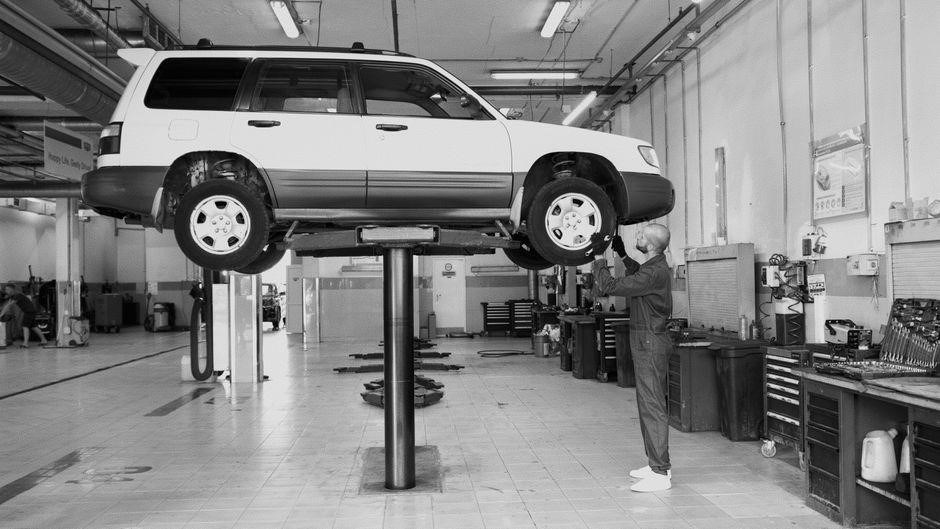
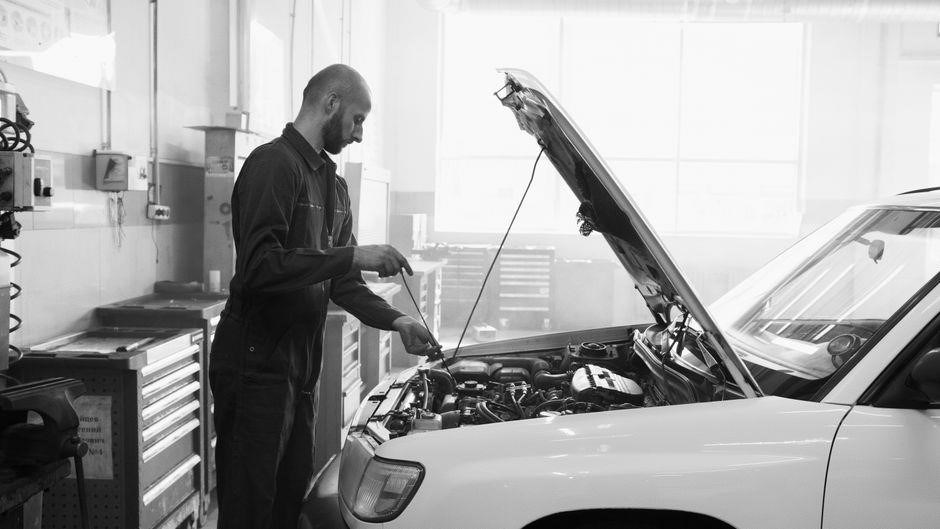
The Virginia vehicle inspection checklist PDF requires a detailed examination of the steering‚ suspension‚ brakes‚ and engine systems. Inspectors first test the steering by turning the wheel from lock to lock while the vehicle is stationary‚ ensuring no excessive play or binding. They then check the steering column for proper alignment and verify that the steering linkage is intact and free of leaks; Suspension components‚ including shocks‚ struts‚ and control arms‚ are inspected for wear‚ leaks‚ and proper mounting. Inspectors look for sagging or uneven ride height‚ which could indicate damaged or worn suspension parts. Brake systems are evaluated by inspecting the brake pads‚ rotors‚ and calipers for wear and ensuring that the brake fluid reservoir is at the correct level. Inspectors also test the brake pedal for firmness and check for any hydraulic leaks. The engine compartment is examined for signs of oil leaks‚ cracked hoses‚ and proper belt tension. Inspectors verify that the engine oil level is correct and that the oil filter is securely installed. They also inspect the battery terminals for corrosion and ensure that the battery is fully charged. All these checks are documented in the PDF checklist‚ and any failures must be corrected before the vehicle can pass inspection. By thoroughly inspecting steering‚ suspension‚ brakes‚ and engine components‚ the Virginia inspection process helps maintain safe driving conditions for all motorists. This approach ensures each vehicle meets Virginia safety standards and protects drivers today
Documentation and Common Failure Points
Virginia inspection requires vehicle paperwork to be current and accurate. The PDF checklist demands a valid driver’s license‚ registration card‚ and proof of insurance that is not expired. Inspectors verify the registration number matches the card and that the insurance policy covers the vehicle’s current year. Failure to provide any documents results in an immediate pass‑fail. The checklist highlights common failure points that often trip vehicles during inspection. These include improperly seated or missing license plates‚ cracked or missing side mirrors‚ and non‑functional turn signals. Brake components are a frequent cause of failure; worn pads‚ low rotor thickness‚ or a leaking brake line will cause a vehicle to fail the brake test. Steering and suspension issues such as excessive play in the steering wheel‚ sagging shocks‚ or a broken control arm also lead to failures. Engine failures are commonly due to low oil level‚ a cracked oil pan‚ or a malfunctioning oil pressure sensor. Finally‚ the checklist notes that a missing or damaged headlight‚ taillight‚ or brake light is a quick way to lose the inspection. By reviewing documentation requirements and addressing these failure points before the appointment‚ owners can reduce the likelihood of a failed inspection and keep their vehicle road‑worthy. This checklist ensures compliance with Virginia safety standards for all!
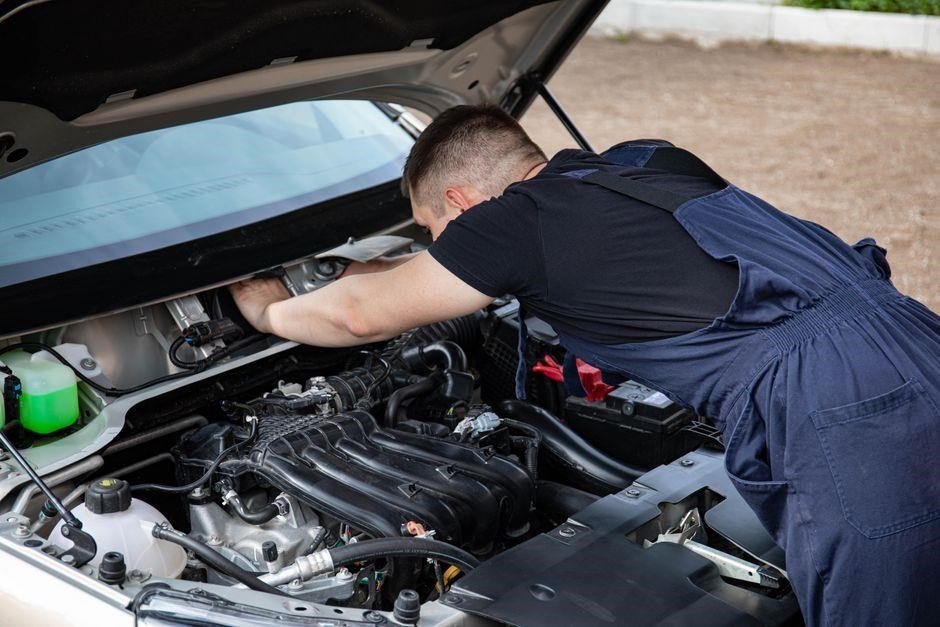
Utilizing the Checklist Effectively
Use the PDF as a step‑by‑step guide. Before the visit‚ run a self‑check‚ noting any issues. After inspection‚ review the inspector’s comments‚ fix flagged items‚ and resubmit if needed. This proactive approach saves time and money. Follow the checklist closely
Pre-Inspection Self-Check and Post-Inspection Follow-Up
Before scheduling a Virginia state safety inspection‚ download the official PDF checklist from the DMV website. Print it or open it on a tablet‚ then walk through each item: exterior paint‚ body panels‚ windows‚ mirrors‚ and windshield for cracks or damage; tires for tread depth‚ sidewall integrity‚ and proper inflation; brakes for pad wear‚ fluid levels‚ and hydraulic function; steering and suspension for leaks‚ play‚ and alignment; engine for oil‚ coolant‚ belts‚ and hoses; and transmission for fluid condition and shift quality. Note any deficiencies and bring repair receipts to the inspection. After the inspector completes the test‚ review the written report. If the vehicle fails‚ use the checklist to prioritize repairs‚ then schedule a re‑inspection. Document all follow‑up actions in a maintenance log to demonstrate compliance for future inspections. Maintain a digital log by scanning the checklist after each inspection and storing it in a cloud folder. This allows quick reference during roadside assistance or when renewing registration. Also‚ schedule routine maintenance—such as oil changes‚ tire rotations‚ and brake pad replacements—before the inspection date to avoid last‑minute surprises. If any component fails‚ the DMV will provide a written explanation and a list of required repairs. By addressing these issues promptly‚ you reduce the risk of a failed inspection and keep your vehicle safe on Virginia roads. Keep the checklist for roadside checks and DMV an visits.
No Responses