Montana boasts over 400 bird species, offering incredible diversity for enthusiasts! This guide simplifies identification, helping beginners navigate the state’s rich avian landscape.
Overview of Montana’s Avian Diversity
Montana’s diverse habitats – from vast prairies and wetlands to towering Rocky Mountains – support an astonishing array of bird life, currently documented at 442 species by the Montana Bird Records Committee (MBRC). This remarkable diversity stems from the state’s unique geographical position as a transition zone between eastern and western ecosystems.
Eastern Montana provides crucial breeding grounds for prairie and wetland species, while the western mountains attract high-elevation specialists. Migratory patterns further contribute to the variety, with numerous species passing through Montana during spring and fall. Understanding this diversity is key to appreciating and conserving these feathered inhabitants, making a reliable field guide an invaluable tool for any observer.
Importance of a Field Guide
Navigating Montana’s extensive avian diversity can be daunting, even for seasoned birders; a comprehensive field guide is therefore essential. These guides provide detailed descriptions of plumage, size, shape, and behavior – crucial characteristics for accurate identification. They often include range maps, illustrating where specific species are typically found within the state, and vocalization descriptions to aid identification by song.
For beginners, a field guide transforms the challenge of identifying 442 species into a manageable learning experience. Experienced birders also benefit, using guides to confirm observations and document rare sightings. Ultimately, a field guide fosters a deeper connection with Montana’s birds and supports their conservation.

Common Backyard Birds of Montana
Attract feathered friends! Montana backyards frequently host robins, juncos, and finches, offering delightful opportunities for observation and enjoyment of local avian life.
American Robin
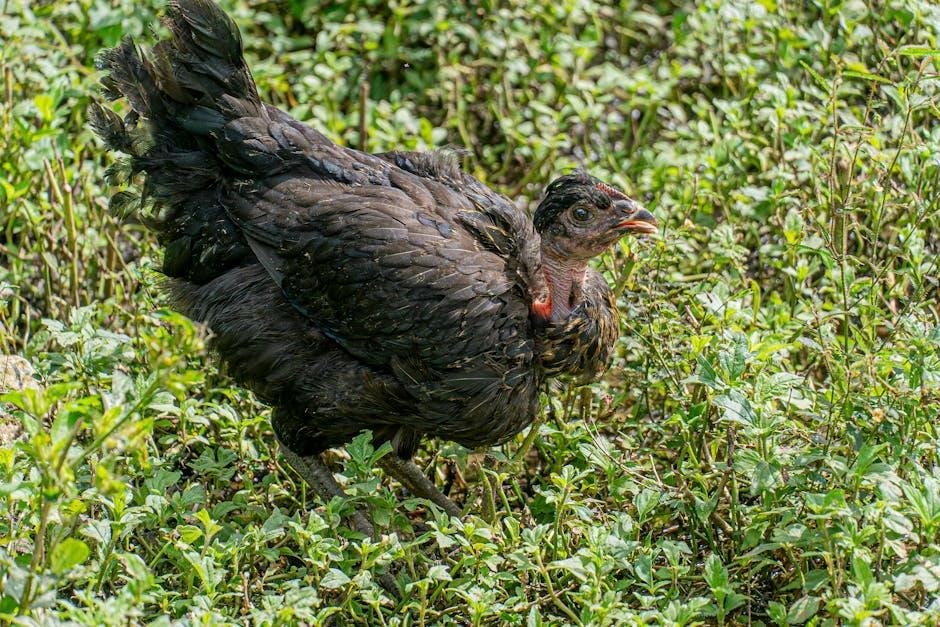
American Robins (Turdus migratorius) are a familiar sight throughout Montana, readily recognized by their reddish-orange breast. These adaptable birds thrive in diverse habitats, from urban gardens to open woodlands. They are often seen foraging for earthworms on lawns, tilting their heads to listen for subterranean movement.
Robins are medium-sized songbirds, measuring approximately 9-11 inches in length. Their backs are gray, and they possess a distinctive white eye-ring; Their song is a cheerful, warbling melody, frequently heard during the breeding season. Montana’s robins are year-round residents in many areas, though some populations may migrate altitudinally or short distances during harsh winters. Nests are cup-shaped, constructed of mud and grass, and typically found in trees or shrubs.
Dark-eyed Junco
The Dark-eyed Junco (Junco hyemalis) is a common and charming visitor to Montana backyards, particularly during the colder months. Often called “snowbirds,” these small sparrows exhibit a striking contrast between their dark gray or brown upperparts and clean white belly. Several regional variations exist, influencing plumage details.
Measuring around 6-7 inches, Juncos are ground feeders, frequently seen hopping around beneath bird feeders searching for fallen seeds. Their song is a simple, trilling series of notes. They are adaptable, inhabiting forests, woodlands, and suburban areas. Montana hosts multiple subspecies, making identification nuanced. Look for the distinctive white outer tail feathers during flight for a key identification marker.
House Finch
The House Finch (Haemorhous mexicanus) is a frequent and cheerful sight throughout Montana, readily adapting to urban and rural environments. Males display vibrant reddish hues on their head, breast, and rump, though coloration varies with diet. Females exhibit a more subdued, streaked brown plumage.
These finches measure approximately 6-7 inches in length and are known for their melodious, warbling songs. They are social birds, often found in flocks, and commonly visit bird feeders, favoring sunflower seeds and nyjer. Montana’s House Finches are year-round residents, adding color and song to the landscape even during winter. Identifying them is easy due to their frequent presence and distinctive vocalizations.
Birds of Prey in Montana
Montana’s skies host majestic raptors like eagles, hawks, and kestrels, showcasing incredible hunting prowess and aerial skills – a thrilling sight for birders!
Golden Eagle
Golden Eagles (Aquila chrysaetos) are magnificent birds of prey found throughout Montana, particularly in mountainous and open areas. These powerful raptors boast a wingspan reaching over seven feet, allowing for soaring flight while hunting. Adults are easily identified by their golden-brown plumage on their head and neck, contrasting with their dark brown body.
They are apex predators, primarily feeding on rabbits, hares, and ground squirrels, but will also take larger prey like deer fawns. Montana’s vast landscapes provide ideal nesting habitat, typically on cliffs or in large trees. Observing a Golden Eagle in flight is a truly awe-inspiring experience, representing the wild spirit of the state.
Red-tailed Hawk
The Red-tailed Hawk (Buteo jamaicensis) is a common and highly adaptable bird of prey throughout Montana. Recognized by its reddish-brown tail – though coloration can vary – this hawk is often seen soaring in circles high above open fields and woodlands. Their broad wings and stocky build contribute to their powerful flight.
Red-tailed Hawks are opportunistic hunters, preying on rodents, rabbits, and snakes. They frequently perch on telephone poles or trees, scanning for prey below. Their distinctive, piercing scream is a familiar sound across the state. Observing their hunting techniques provides a fascinating glimpse into the natural world of Montana.
American Kestrel
The American Kestrel (Falco sparverius) is Montana’s smallest falcon, a vibrant and captivating bird of prey. Easily identified by its rusty-red back and tail, along with black “mustache” marks on its face, it’s a common sight perched on wires or hovering over fields. Both males and females exhibit these markings, though males are typically more brightly colored.
These agile hunters primarily feed on insects and small rodents, often hunting along roadsides and in open grasslands. American Kestrels are cavity nesters, utilizing tree hollows or nest boxes. Their rapid wingbeats and distinctive “killy-killy-killy” call make them a delightful addition to Montana’s diverse birdlife.
Waterbirds of Montana
Montana’s wetlands and rivers teem with diverse waterbirds, including geese, ducks, and mergansers, offering exciting opportunities for birdwatchers and nature lovers.
Canada Goose
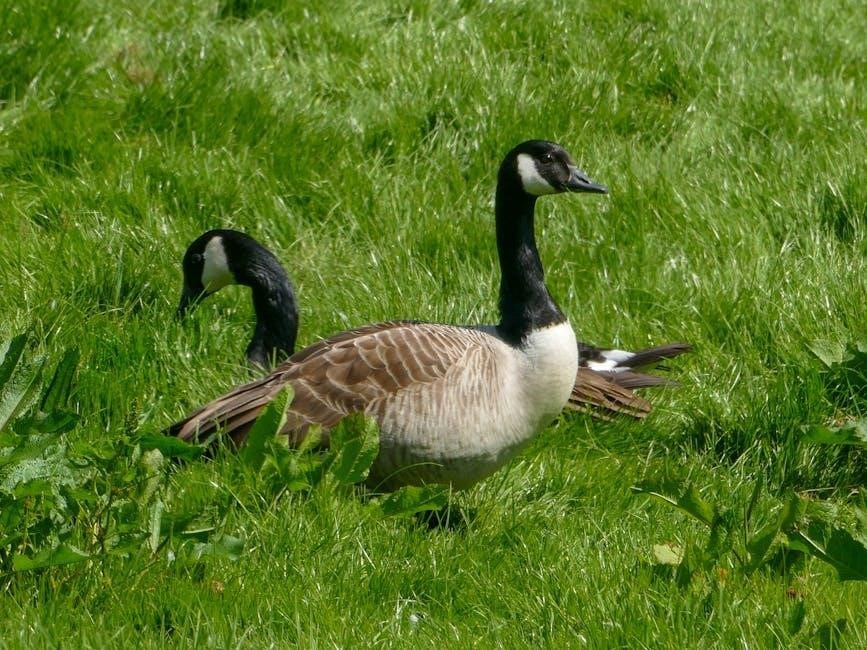
The Canada Goose (Branta canadensis) is a familiar sight throughout Montana, often seen in large flocks near bodies of water. These adaptable birds are recognized by their black head and neck, white cheek patches, and brownish-gray body. They are commonly found in both rural and urban environments, nesting near lakes, ponds, and rivers.
Canada Geese are known for their distinctive honking calls, especially during migration. They are primarily herbivores, feeding on grasses, grains, and aquatic vegetation. In Montana, they are year-round residents in many areas, though some populations migrate seasonally. Observing their V-shaped flight formations is a classic birding experience. Their presence adds to the scenic beauty of Montana’s landscapes.
Mallard
The Mallard (Anas platyrhynchos) is arguably Montana’s most recognizable duck, frequently observed in wetlands, ponds, and rivers across the state. Male Mallards boast a vibrant green head, yellow bill, and gray flanks, while females are mottled brown. Both sexes have a distinctive blue speculum (wing patch) bordered by white.
These dabbling ducks feed by tipping forward in the water to reach submerged vegetation. Mallards are adaptable and thrive in various habitats, from urban parks to remote marshes. Their familiar “quack” is a common sound near water sources; They are often seen in pairs or small groups, and are a delightful sight for birdwatchers throughout Montana.
Common Merganser
The Common Merganser (Mergus merganser) is a striking fish-eating duck found near Montana’s rivers and lakes. Males display a sleek, white body with a dark green head and a distinctive, serrated bill used for grasping slippery fish. Females have a gray body and a reddish-brown head with a white throat patch.
These diving ducks are powerful swimmers and often hunt in pairs or small groups. They nest in tree cavities near water, sometimes utilizing old woodpecker holes. Common Mergansers are known for their streamlined shape and rapid flight. Observing them skillfully navigate Montana’s waterways is a rewarding experience for bird enthusiasts.

Montana’s State Bird and Other Notable Species
Montana’s avian gems include the Western Meadowlark, its state bird, alongside the vibrant Mountain Bluebird and the unique Clark’s Nutcracker, enriching the landscape.
Western Meadowlark ― Montana’s State Bird
The Western Meadowlark (Sturnella neglecta) proudly holds the title of Montana’s state bird, a testament to its prevalence and cheerful presence across the state’s grasslands. Recognized for its bright yellow breast and melodious song, this bird is a symbol of Montana’s open spaces.
These ground-nesting birds thrive in prairies and agricultural fields, feeding on insects during the breeding season and seeds during colder months. Their distinctive song, often described as a series of clear, whistled notes, is a common sound in Montana’s rural landscapes. Observing a Western Meadowlark is a delightful experience for any birder, representing the beauty and natural heritage of the state. They are easily identified by their vibrant coloration and characteristic habitat.
Mountain Bluebird
The Mountain Bluebird (Sialia currucoides) is a stunning sight in Montana’s western landscapes, known for its brilliant azure plumage in males. These birds inhabit open woodlands, meadows, and mountainous regions, adding a splash of color to the scenery. Females exhibit a more subdued, grayish-blue coloration, but are equally captivating.
Mountain Bluebirds are cavity nesters, often utilizing abandoned woodpecker holes or nest boxes. They primarily feed on insects during the summer, switching to berries in the fall and winter. Their gentle nature and beautiful song make them a favorite among birdwatchers. Spotting a Mountain Bluebird is a rewarding experience, symbolizing the pristine beauty of Montana’s wilderness.
Clark’s Nutcracker
Clark’s Nutcracker (Nucifraga columbiana) is a fascinating and unique bird found throughout Montana’s mountainous regions, particularly in coniferous forests. Recognizable by its pale gray body, black wings and tail, and distinctive, slightly downcurved bill, this bird plays a crucial role in seed dispersal, especially of whitebark pine.
Nutcrackers are famous for caching thousands of pine seeds each year, burying them for later retrieval. They possess an incredible spatial memory to relocate these hidden caches. Their loud, raspy calls often echo through the forests. Observing a Clark’s Nutcracker diligently working is a testament to nature’s ingenuity and adaptation within Montana’s ecosystems.
Identifying Birds: Key Characteristics
Successful bird identification relies on observing plumage, size, shape, behavior, and song – crucial details for distinguishing Montana’s diverse avian species in the field.
Plumage and Coloration
Bird plumage, encompassing feather colors and patterns, is a primary identification tool. Montana birds exhibit remarkable variation – from the vibrant Western Meadowlark’s yellow breast to the subtle hues of female juncos. Consider the overall color, specific markings like wing bars or eye stripes, and seasonal changes.
Male birds often display brighter, more elaborate plumage for attracting mates, while females and juveniles tend towards camouflage. Observing plumage details requires good lighting and a steady view. Note if colors are iridescent, matte, or streaked. Understanding molt patterns – when birds replace feathers – can also aid identification, as plumage changes throughout the year. Careful observation of these details unlocks crucial clues for identifying Montana’s avian residents.
Size and Shape
Assessing a bird’s size and shape is fundamental to identification. Compare the bird to familiar species – is it sparrow-sized, robin-sized, or larger like a hawk? Note the overall body proportions: is it compact or slender? Observe the bill’s shape – long and slender for probing, short and conical for seed-eating, or hooked for raptors.
Wing shape also provides clues; pointed wings suggest fast flight, while rounded wings indicate maneuverability. Tail length and shape are equally important. Consider the bird’s posture – does it stand upright or horizontally? These characteristics, combined with size estimates, significantly narrow down potential species within Montana’s diverse avian population, aiding accurate field identification.
Behavior and Song
Observing a bird’s behavior offers crucial identification clues. Note how it forages – does it glean insects from leaves, probe the ground, or hawk from above? Watch its flight pattern – direct, undulating, or soaring? Social behavior is also telling; is it solitary, in pairs, or flocks?
Birdsong is often the most reliable identifier. Learn common Montana bird vocalizations – whistles, trills, chirps, and complex songs. Utilize online resources with audio recordings to practice recognition. Even subtle differences in song can distinguish similar species. Combining behavioral observations with vocalizations provides a powerful tool for accurately identifying birds in the field, enhancing your birdwatching experience.

Resources for Montana Birdwatching
Explore the Montana Bird Records Committee, online identification tools, and local birding clubs to deepen your knowledge and connect with fellow enthusiasts!
Montana Bird Records Committee (MBRC)
The Montana Bird Records Committee (MBRC) plays a crucial role in maintaining the official state list of birds. As of July 2021, this list includes 442 documented species found within Montana’s borders. This committee rigorously reviews and verifies reports of bird sightings, ensuring accuracy and establishing a reliable record of avian presence.
Birdwatchers who observe unusual or rare birds are encouraged to submit detailed reports to the MBRC. These reports typically include documentation such as photographs, videos, or detailed descriptions, along with specific location and date information. The MBRC’s careful evaluation process helps to validate new species additions to the official state list, contributing to a comprehensive understanding of Montana’s avian biodiversity.
Online Bird Identification Tools
Numerous online resources can significantly aid in bird identification within Montana. Websites like All About Birds (Cornell Lab of Ornithology) and Audubon’s guide offer extensive species accounts, including detailed descriptions, images, and audio recordings of bird songs. These platforms allow users to filter by location, size, color, and habitat, narrowing down potential matches.
Mobile apps, such as Merlin Bird ID by Cornell, utilize photo and sound recognition to suggest possible species based on user-submitted observations. eBird, also from Cornell, provides real-time data on bird sightings in Montana, showcasing species distribution and abundance. Utilizing these tools alongside a traditional field guide enhances the birdwatching experience and improves identification accuracy.
Local Birding Clubs and Organizations
Joining a local birding club or organization is an excellent way to deepen your knowledge of Montana’s avian life. These groups often host field trips led by experienced birders, providing opportunities for guided identification and learning in various habitats. They frequently organize workshops and presentations covering topics like bird behavior, migration patterns, and conservation efforts.
The Montana Audubon Society and local chapters offer valuable resources, including access to expert birders and participation in citizen science projects. Connecting with fellow enthusiasts fosters a supportive community and enhances your birdwatching skills. These organizations also advocate for bird conservation and habitat preservation within the state.
No Responses